OUR WORK
Ocean and Climate
The ocean holds more of our climate future than we recognise.
The ocean is at the heart of the climate system. It is also on the frontlines of the climate crisis, and more than a casualty of it, the ocean is part of the solution.
Ocean and climate cannot be solved separately.
We work where they meet: building knowledge, shaping policy and advancing solutions that allow healthy oceans, resilient communities and a liveable climate to reinforce one another.
OUR POSITION
Three perspectives shape everything we do. They are one problem, seen from three sides.
The ocean is not one thing, and neither are the challenges it faces. It is a living system, a source of knowledge and livelihood, and a space shaped by decisions that affect people and all other forms of life.
We bring these connections into view.
Ocean Governance
Ocean Governance
Who decides what happens to the ocean?
We look at how decisions about the ocean are made, who has a voice in them, and how power, responsibility and accountability are shared.
Communities, Knowledge & Movement
Who lives with, depends on and moves because of changes in the ocean?
We centre the people, communities and knowledge systems whose lives, livelihoods and futures are shaped by the ocean.
The Living Ocean
What happens to the life and systems that make the ocean what it is?
We work to understand and protect the biodiversity, ecosystems and living systems that sustain a healthy ocean.
where we work
Taking the ocean and climate lens into the rooms where decisions are made.
Our work connects international policy with the people, knowledge and ecosystems those decisions affect. We have brought ocean perspectives into conversations on biodiversity, migration, youth participation, science, traditional knowledge and coastal resilience.
Protecting the Blue Planet
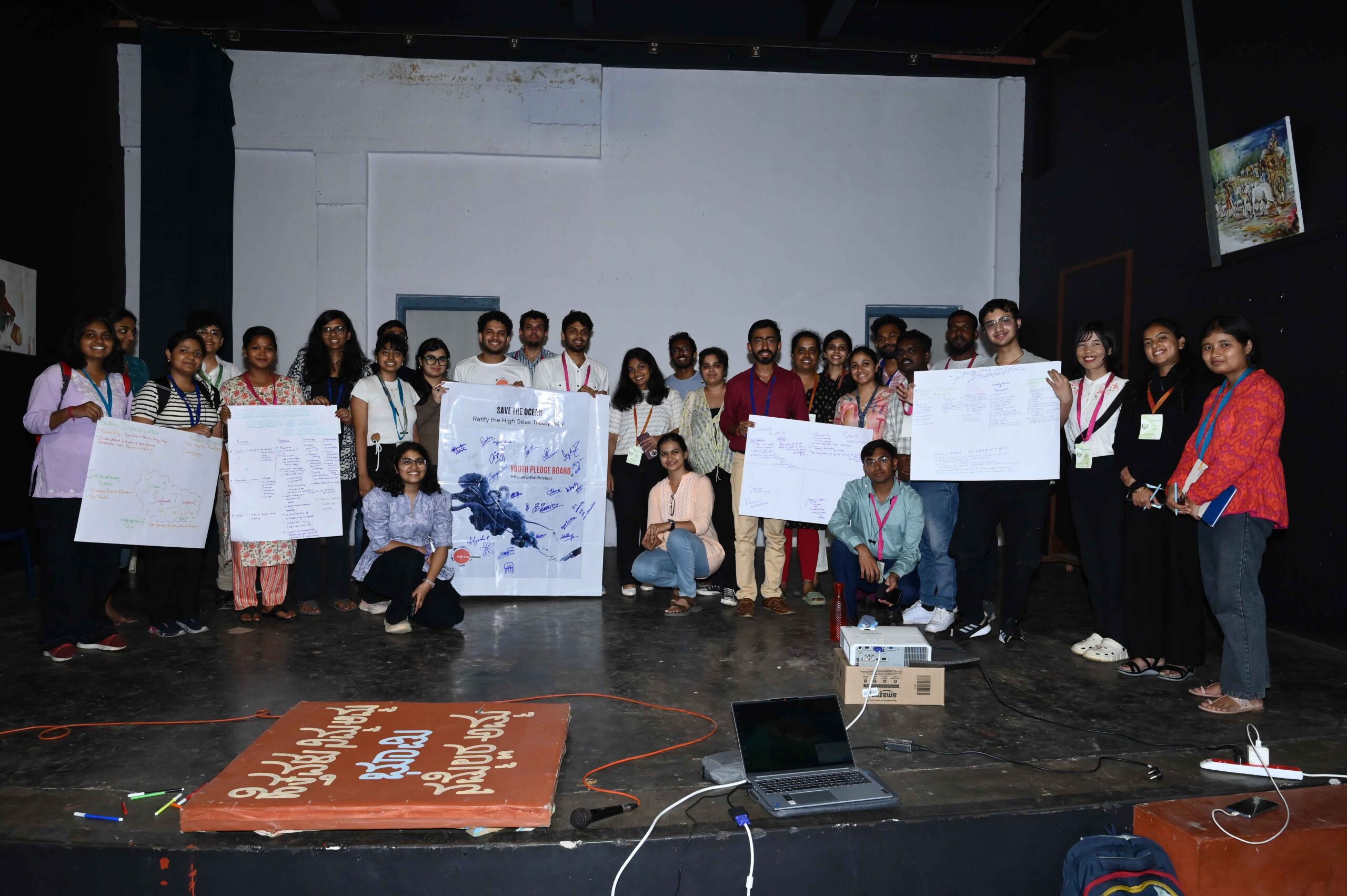
LCOY India · 2024
We introduced young people to maritime zones, the high seas and international ocean law, using games, policy dialogue and solution mapping to explore deep-sea mining and marine biodiversity.
The point was not simply to explain ocean governance, but to give young people the tools to question it and imagine what comes next.
Youth for Sustainable Oceans
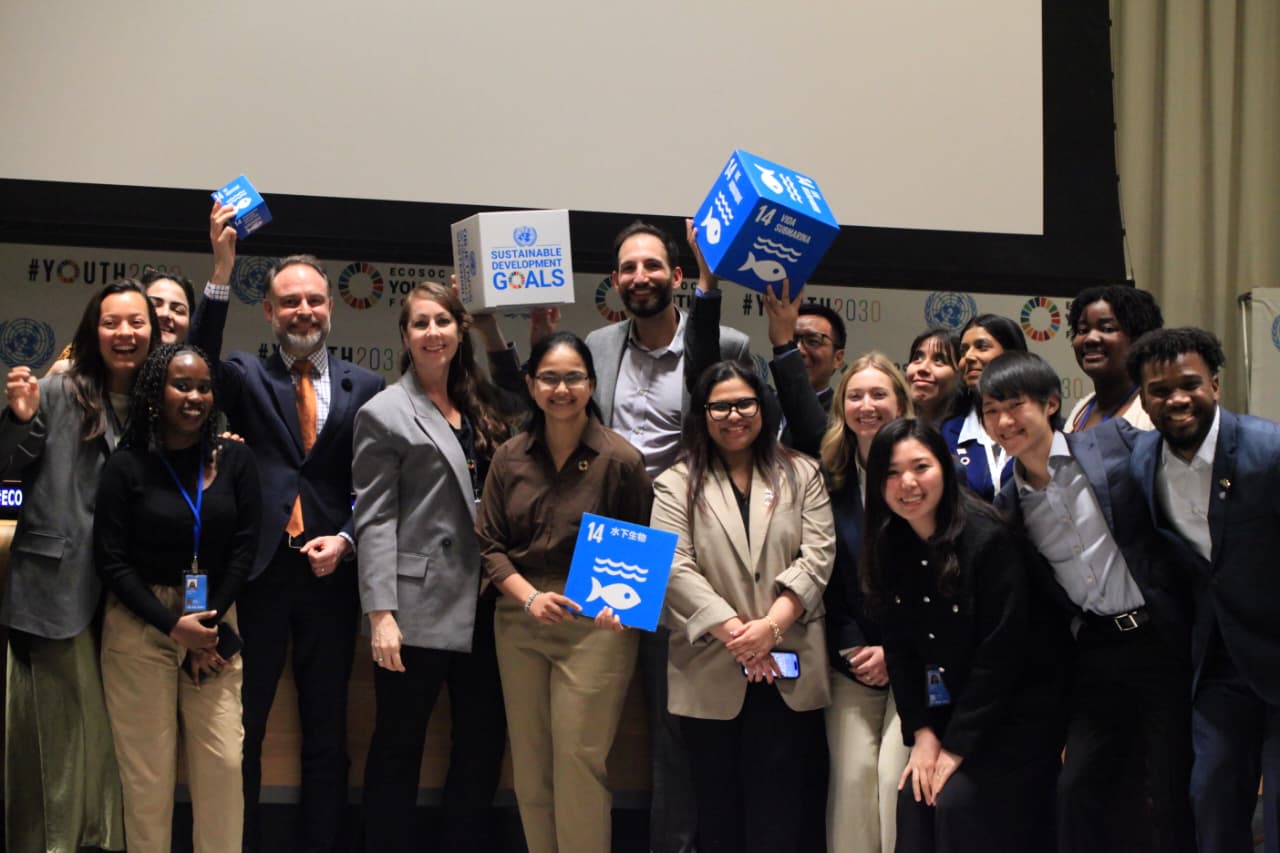
ECOSOC Youth Forum · 2025
We supported an official side event focused on ocean literacy, youth-led solutions and meaningful participation in global ocean processes, including pathways for young people to make Voluntary Ocean Commitments.
We also contributed to discussions on the role of science and technology, arguing that young people, particularly those from underserved coastal communities, should be able to contribute to the generation and governance of ocean knowledge, not simply access it.
Tides of Change
UN Ocean Conference · 2025
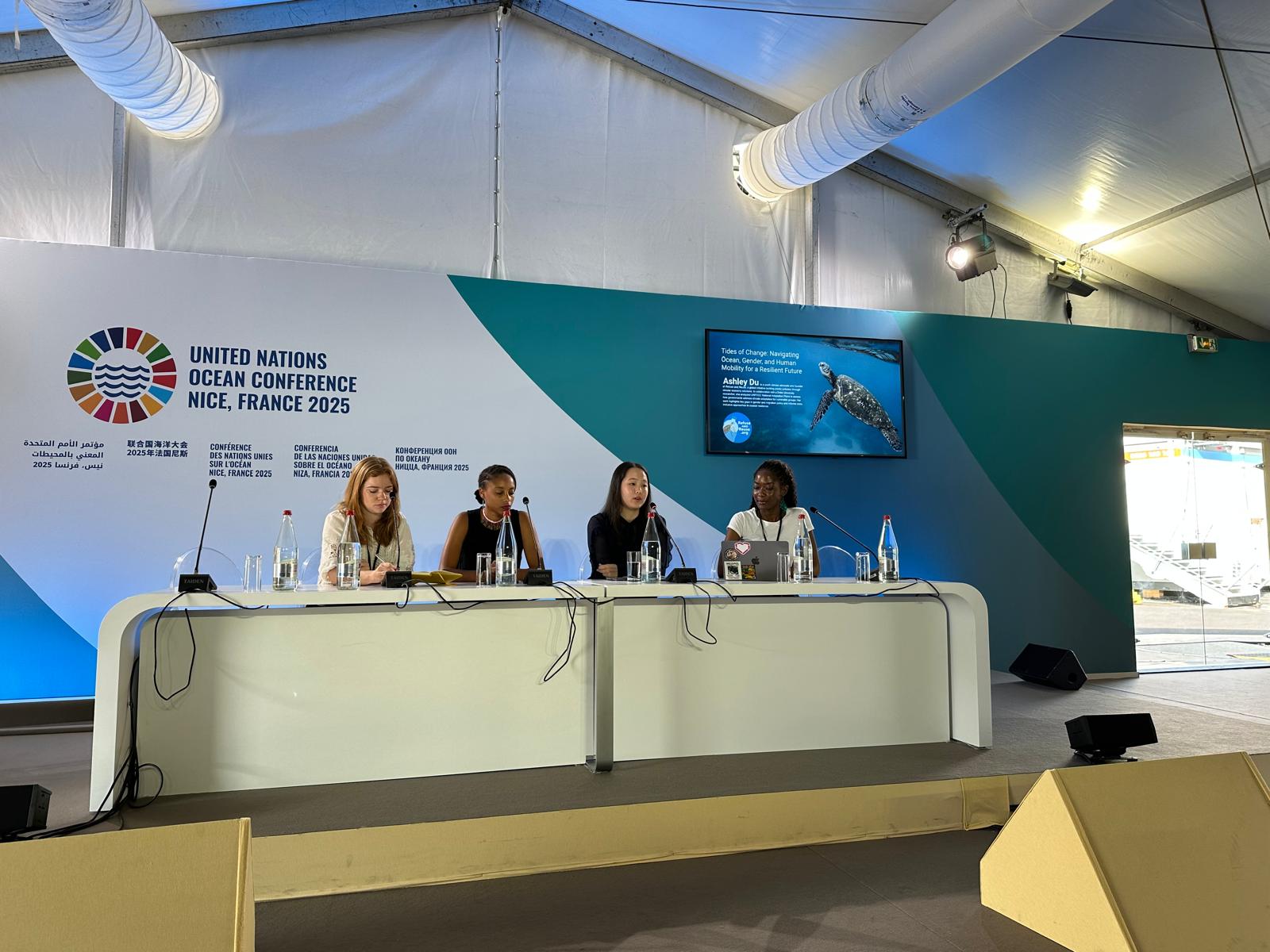
We co-organised a Blue Zone side event with YOUNGO's Ocean Voice Working Group, Refuse and Reuse and Sustainable Ocean Alliance exploring the links between ocean degradation, gender and human mobility.
The conversation brought attention to how rising seas, extreme weather and the loss of ocean-dependent livelihoods affect women, young people and marginalised communities, and to the need for ocean and migration policy to speak to one another.
Waves of Wisdom
High-Level Political Forum · 2025
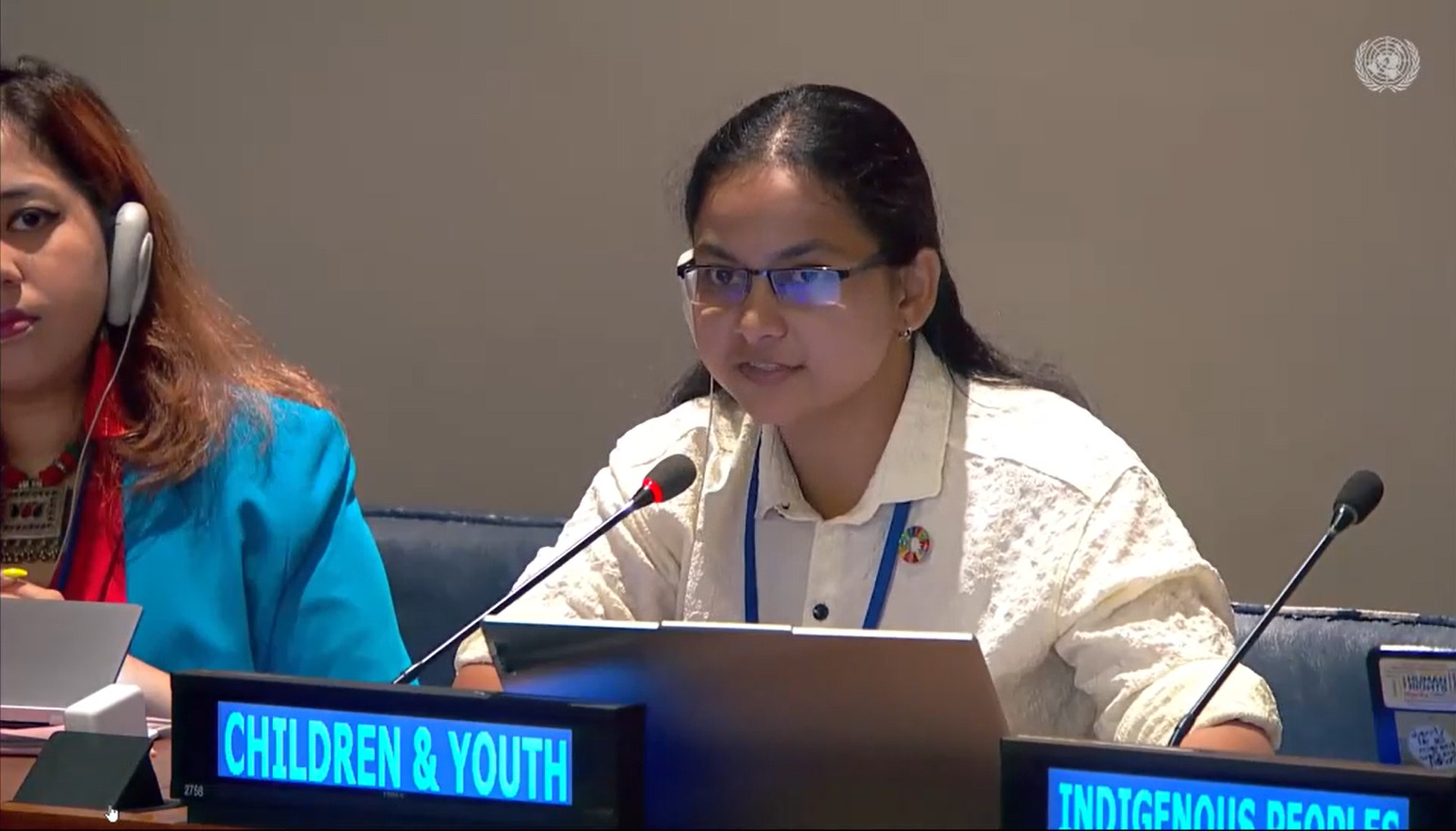
Our team member on behalf of Major Group for Children and Youth brought youth, Indigenous Peoples, frontline communities and policy experts together to explore how traditional and Indigenous knowledge and lived experience can strengthen ocean governance and coastal resilience.
The conversation pushed beyond consultation towards meaningful participation and recognition of knowledge holders in shaping policy and action.
Ocean and Migration
International Migration Review Forum · 2026
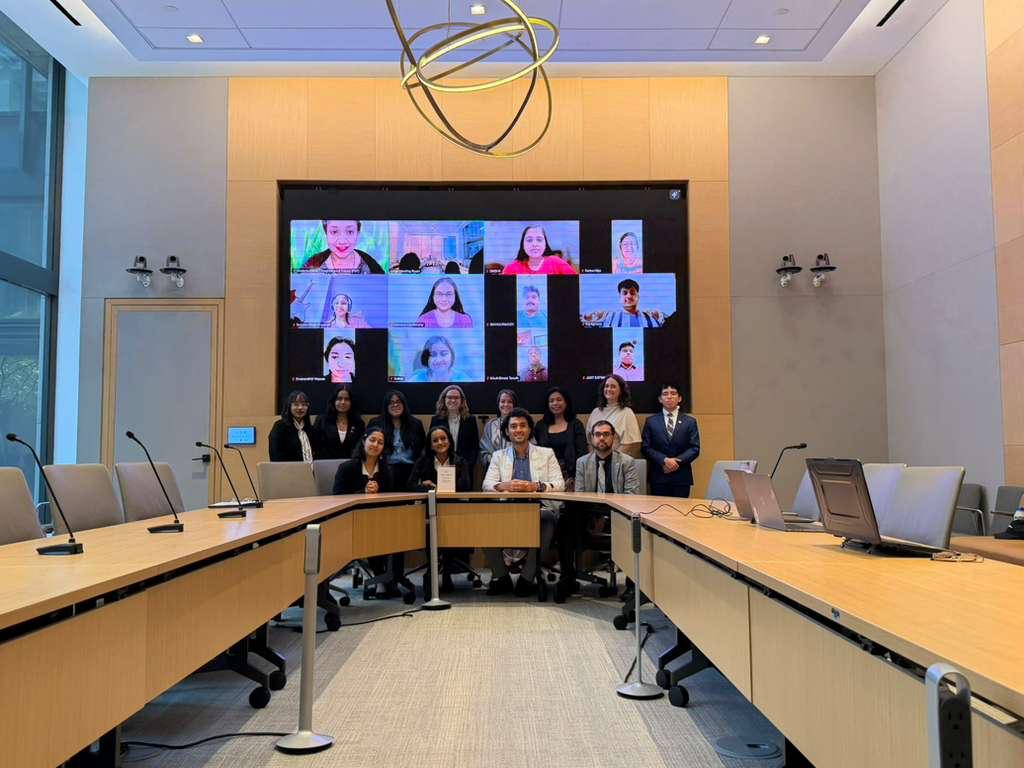
We took a coastal and ocean lens into a global migration process, highlighting the rights and lived realities of coastal communities facing climate change, environmental degradation and increasing mobility pressures.
We argued for migration policy that recognises coastal communities as important actors in shaping climate-responsive and rights-based solutions.
OUR Work
From the negotiating room to the coast.
Global policy matters. But it matters most when it changes what is possible for people and places living with the consequences.
Our Voluntary Ocean Commitment, Inclusive Coastal Futures: Empowering Migrants and Vulnerable Genders through Ocean Advocacy, begins this work in the coastal districts of Tamil Nadu.
The pilot will work with coastal communities and young people to explore how ocean degradation, climate change, overfishing and livelihood disruption shape mobility and how those pressures are experienced differently by women and other vulnerable groups.
Ocean Governance
ONE
Start with communities
Community workshops, sensitisation activities and youth leadership programmes will build shared understanding of the connections between ocean change, livelihoods and mobility.
TWO
Listen to lived experience
The work will create space for communities to identify challenges, share knowledge and shape the solutions themselves.
three
Carry it back to policy
Present work at the 4th UN Ocean Conference. Lessons from Tamil Nadu will inform whether and how the approach can be taken to other coastal regions.
The pilot has not yet begun. We are building the work with the communities it is intended to serve.
View the commitment on UN Ocean Action Network